Caesarea Maritima
Herod's harbour, a Roman theatre and Crusader walls, an hour north of Tel Aviv.
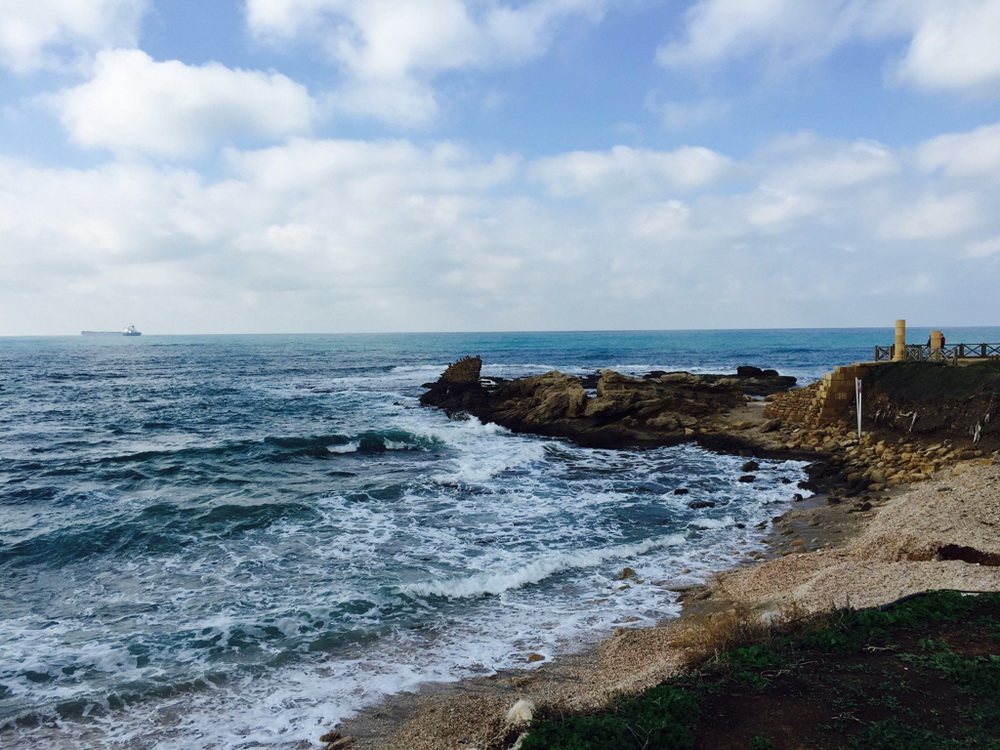
An hour north of Tel Aviv, a Roman city sits on the edge of the Mediterranean with the waves running through it. Phoenician traders were anchoring here long before anyone thought to build in marble; then Herod the Great turned the little port into a capital — a theatre, a hippodrome, bathhouses, mosaic floors, a palace with a pool cut into the rock at the water's edge. A thousand years after that, the Crusaders walled the whole place in, and it is their gate and moat you cross on the way in, so you arrive through the Middle Ages and come out in Rome. It is a city from the pages of biblical history, and you can walk the whole of it in an afternoon, sea on one side, columns on the other. The theatre still fills for summer concerts. Divers swim over the sunken harbour. There are restaurants along the old quay where you can eat looking at the ruins, and enough is still buried that nobody quite knows what lies under the sand.
- Suggested length
- Half a day
- Difficulty
- Easy, flat ground
- When to go
- All year
What we will see
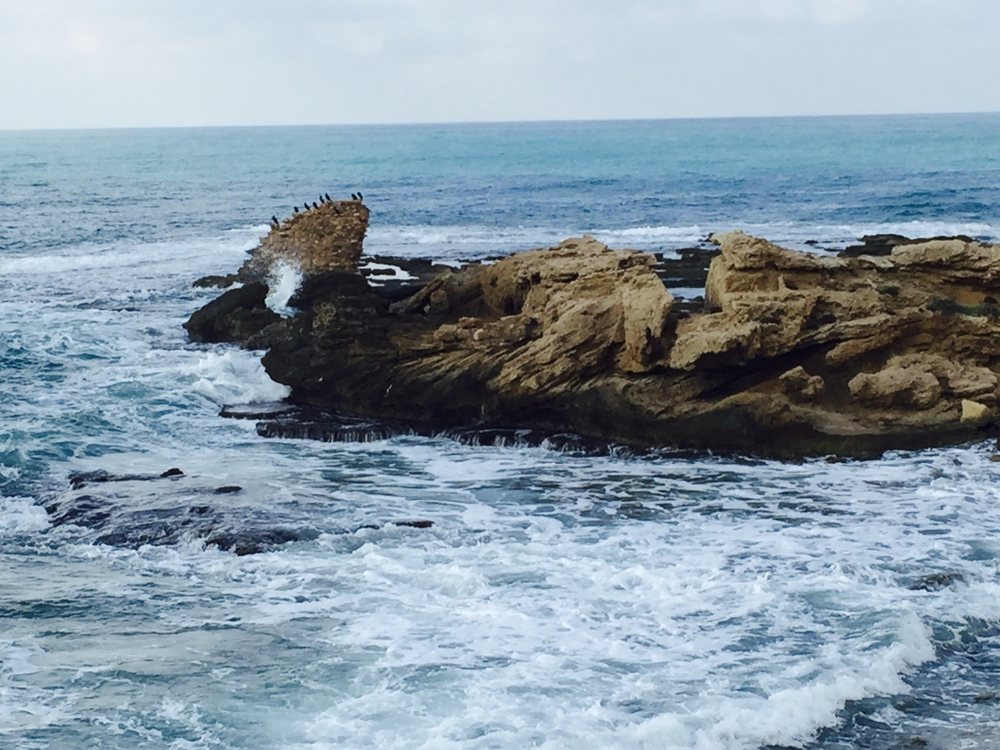
- Caesarea — Herod's harbour — An artificial harbour that Herod the Great had built in the open sea.
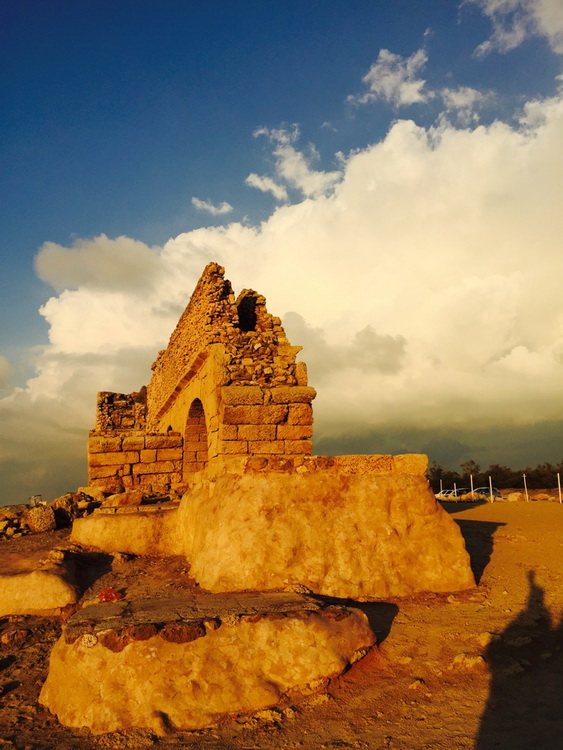
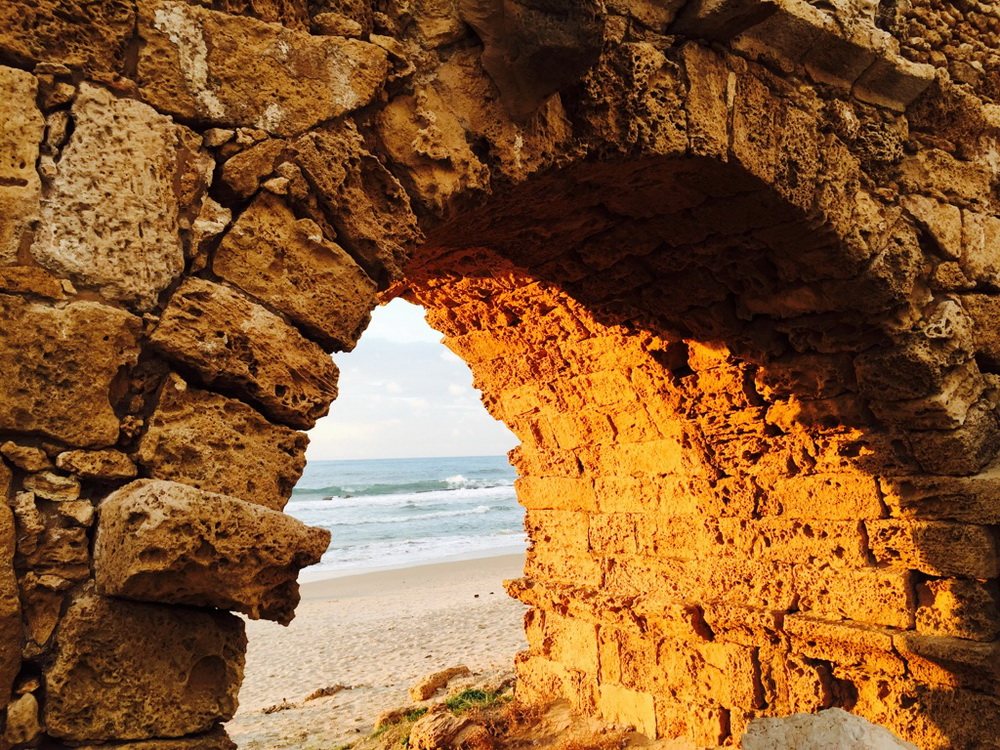
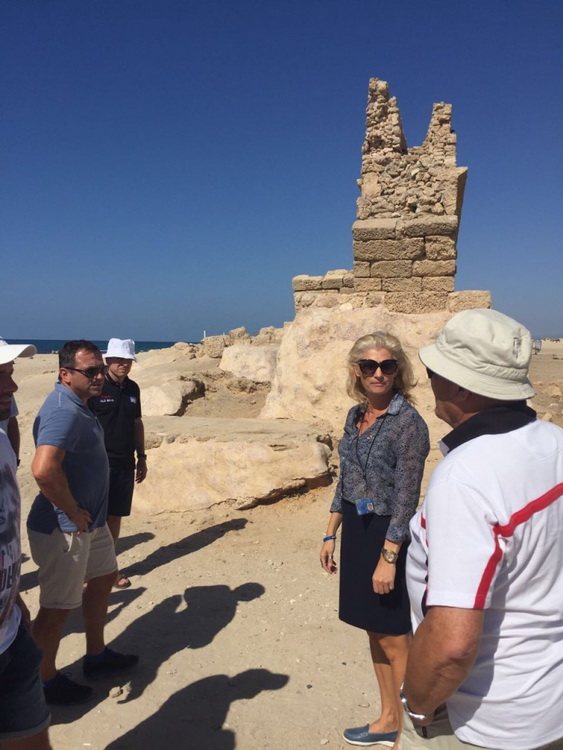
- The Caesarea aqueduct — A Roman aqueduct on the beach — the most photographed spot on the site.
- The Roman amphitheatre — Concerts are still held here. The acoustics still work after two thousand years.
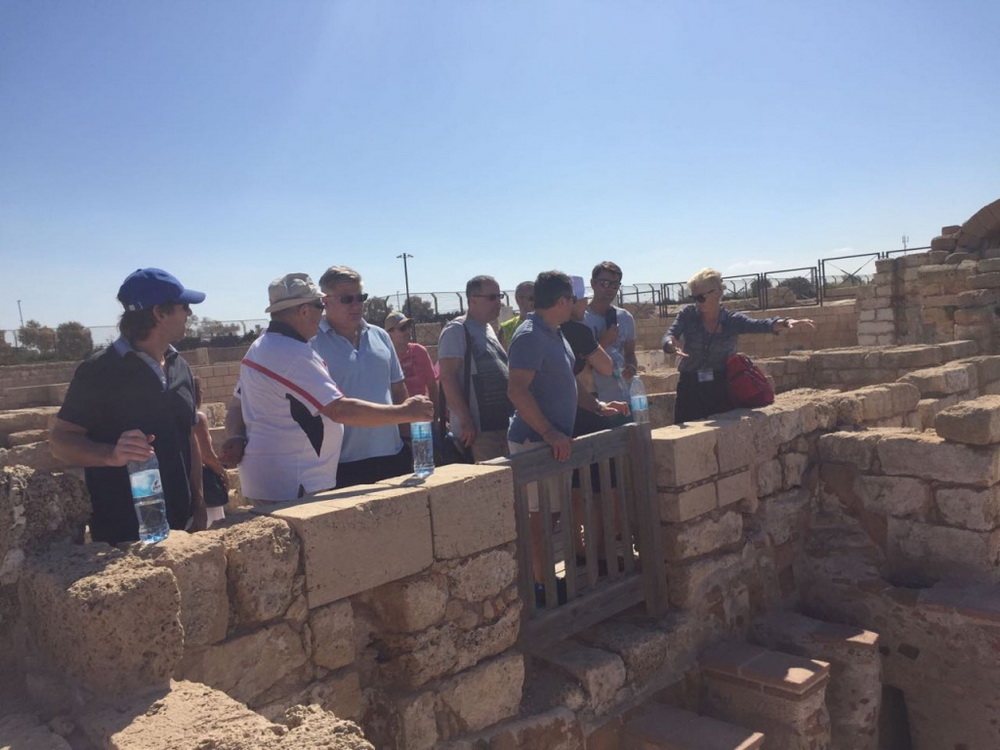
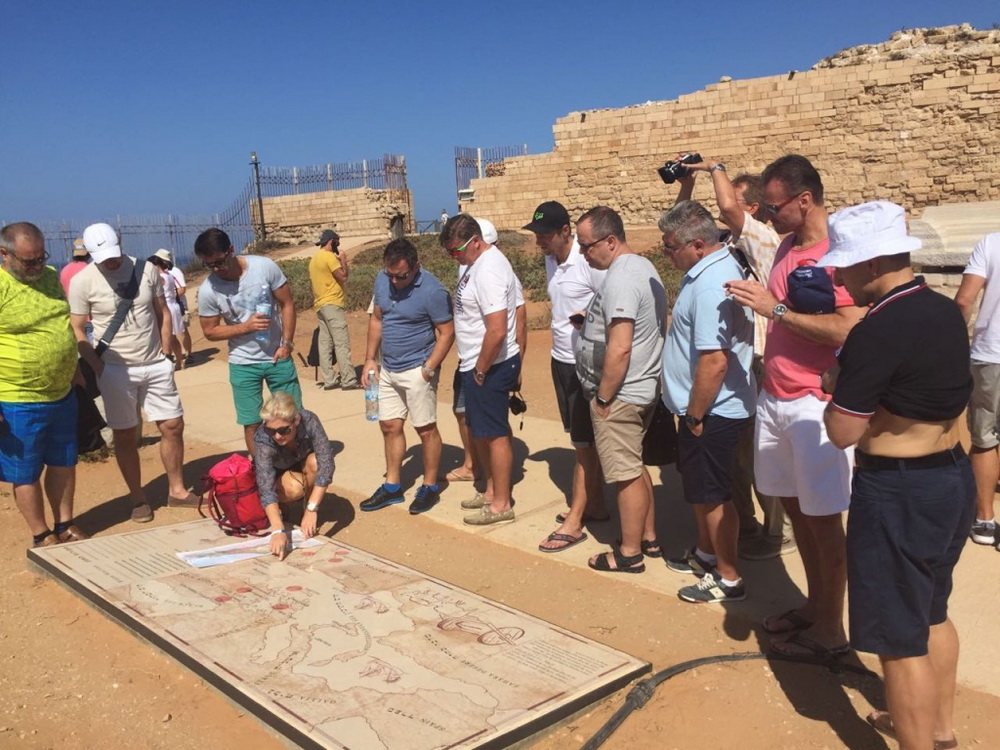
Photos from the tour
Tell me what draws you here
An approximate date and the number of people is enough to start. I reply within 24 hours with a suggested route and a price — with no obligation.