Holy places
Places people have come to pray for thousands of years. I'll tell you not only what happened here, but why it's holy — and to whom.
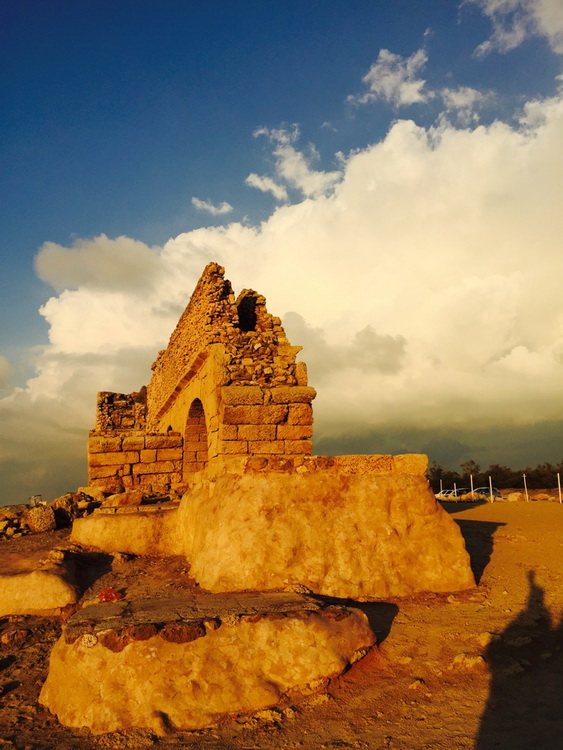
People from everywhere, in an area the size of Wales, each bringing their own kitchen, their own faith and their own version of history. It isn't the Middle East you're picturing, and it isn't Europe. I'll show you how it works.
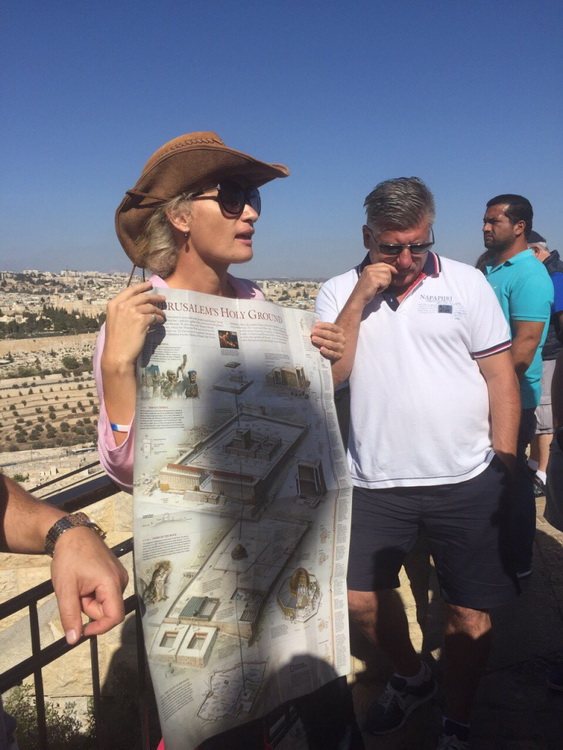
Israel cannot simply be looked at. You have to experience it and try to understand it — only then does a visit become something you keep for life.
Israel isn't a destination for me, it's home.
Places people have come to pray for thousands of years. I'll tell you not only what happened here, but why it's holy — and to whom.
Egyptians, Nabateans, Greeks, Romans, Crusaders and Ottomans all came through, and every one of them left something behind. History in context, not as a list of dates.
How a state came into being that brought people here from everywhere, and why this country is still argued over. You'll get the background and the competing versions — the conclusion is yours.
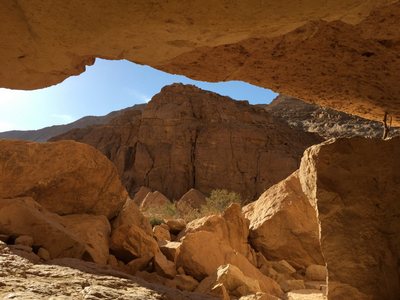
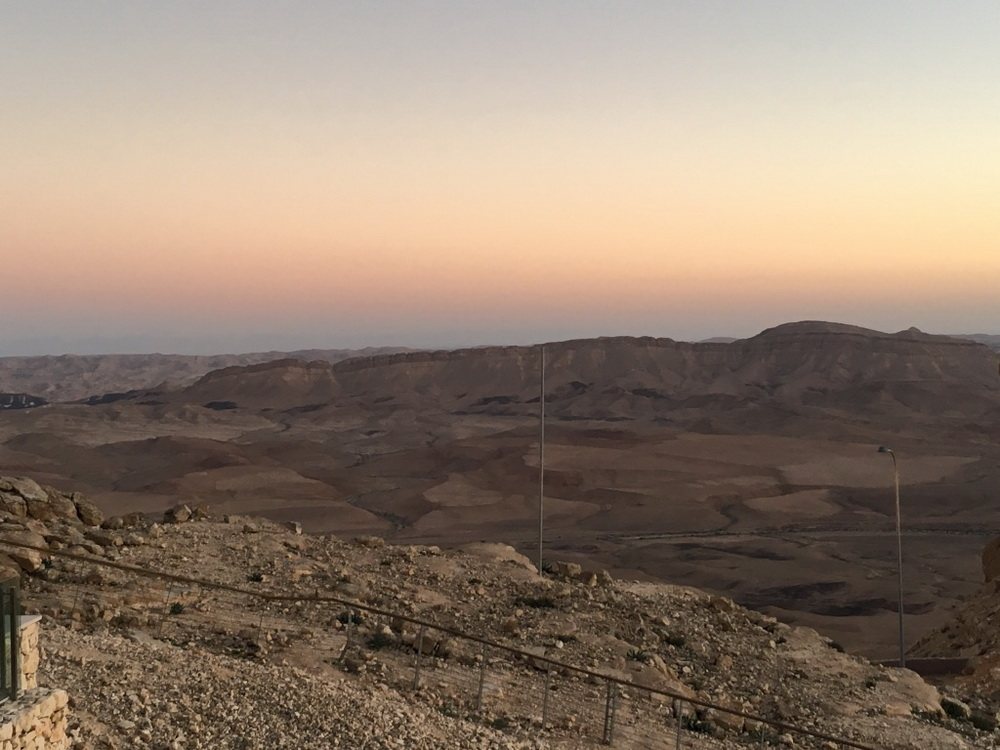
Deserts, canyons and wadis, ibex coming down to drink, and craters that exist almost nowhere else. From an easy walk to a full day on foot — I'll set the pace to you.
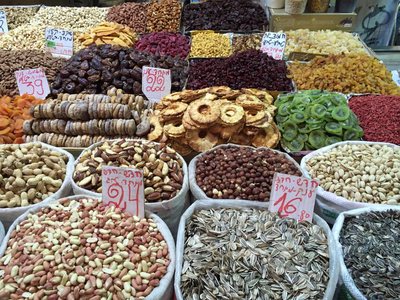
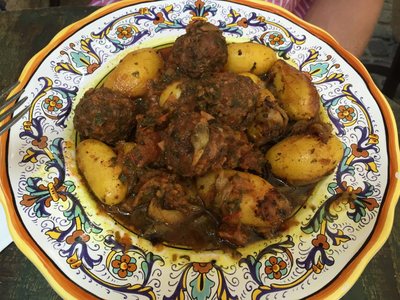
A crossroads of three continents — you smell it in the spice stalls, taste it at the table, and drink it in wine from vineyards that run from the Galilee down to the desert.
Every tour is put together from scratch — around how many days you have, what interests you and how fast you like to walk.
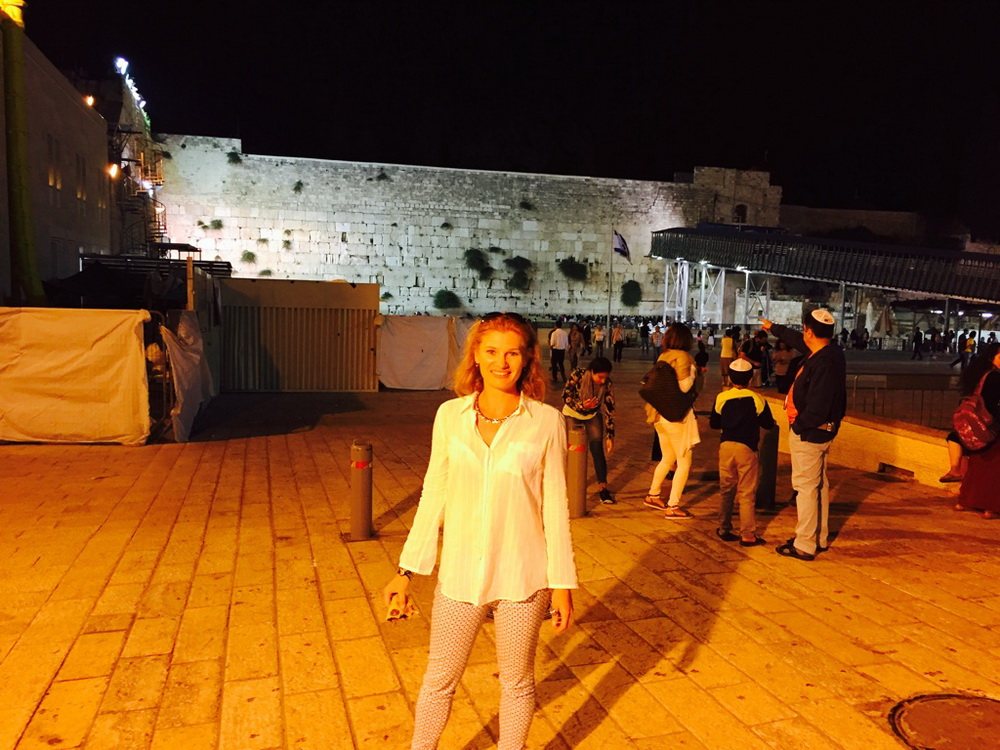
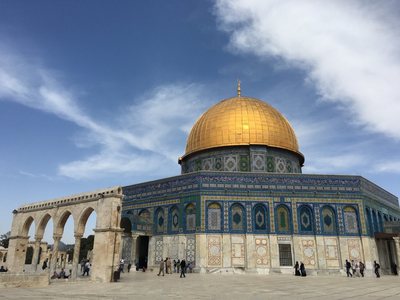
The Old City and its four quarters, the Temple Mount with the Western Wall below it, the Church of the Holy Sepulchre, Mount Zion, and the view from the Mount of Olives. Yad Vashem belongs on a day of its own — as does the Mahane Yehuda market, for entirely different reasons.
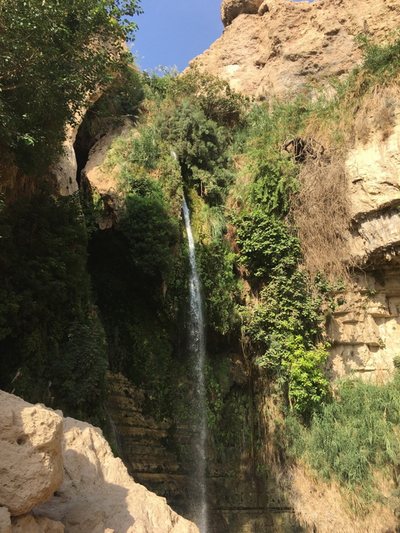
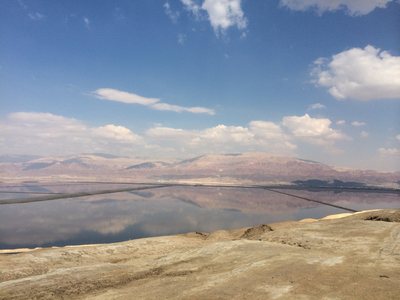
The clifftop fortress of Masada, the Ein Gedi oasis and healing water 25 minutes from Jerusalem.
Herod's harbour, a Roman theatre and Crusader walls, an hour north of Tel Aviv.
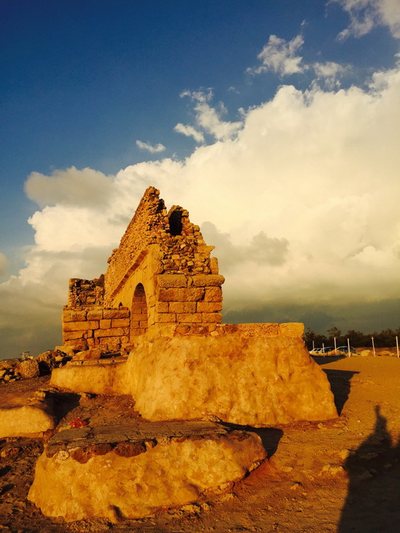
A volcanic plateau above the Sea of Galilee: Nimrod Fortress, the springs at Banias, vineyards, vultures over the Gamla canyon and a view across the border.
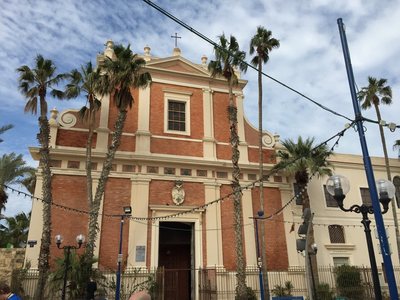
{t("ui.bez-fotek")}05Tel means an ancient mound, Aviv means spring. Old and new in one name — and in Jaffa, beneath all of it, a four-thousand-year-old port.
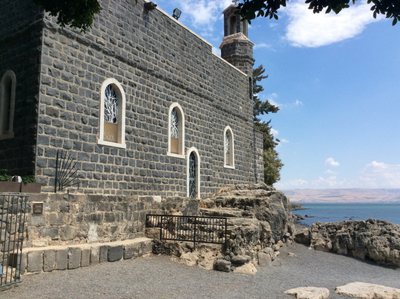
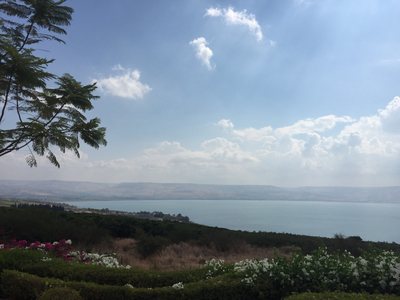
A lake you can see straight across — and on its shores lie most of Jesus's ministry and the first kibbutz in the country.
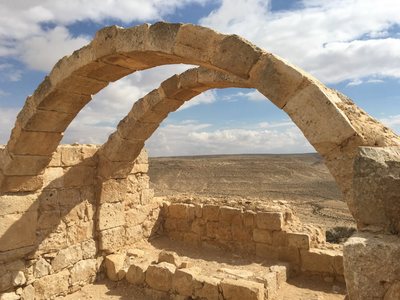
More than half of Israel is desert — and almost none of it is the desert you're picturing.
Nineteen terraces cut into Mount Carmel above Haifa, and at the far end of the bay Akko, with a Crusader city buried beneath it.
{t("ui.bez-fotek")}Not sure whether Masada can be combined with the Dead Sea in one day? The map shows what lies where and what sensibly fits together.
I quote on request, since it depends on the length of the day, the size of the group and whether transport needs arranging. A full day runs eight to ten hours and starts at USD 500 per group, not per person. That covers the guiding and a route built around you; entrance fees and transport are separate, and I'm glad to arrange the transport. I don't handle accommodation, but I'll advise on where it's worth staying. Everything is invoiced. I don't expect tips, and I take no commission from shops or workshops — I won't drive you anywhere because there's something in it for me. Your time is yours, and nothing is hidden in the price. A shorter day costs less. Send me your dates and numbers and I'll come back with a figure.
Current travel advice is issued and regularly updated by your own foreign ministry, and it is worth checking before you go. I follow the instructions of the Israeli Home Front Command and adjust the route to the situation. I always recommend taking out travel insurance and checking that it covers the region you are travelling to.
The essential circuit of the Old City fits into one day. If you want to add the Mount of Olives, the Israel Museum and Yad Vashem, allow two to three days. For the whole of Israel, people usually plan seven to ten days.
Shabbat runs from sunset on Friday to nightfall on Saturday, and I don't guide on Shabbat. I plan the week around it so you lose nothing: Friday morning belongs to the market and the preparations, which is one of the best things you'll see here, and we set out again on Saturday after dark. I'll get you ready for the Saturday in advance — what's open, what's within walking distance, where there's no transport. Jerusalem comes almost to a stop; Tel Aviv and the Arab neighbourhoods carry on. And the day the whole country goes quiet is often the one guests remember most.
An approximate date and the number of people is enough to start. I reply within 24 hours with a suggested route and a price — with no obligation.