The Dead Sea, Masada & the Judean Desert
The clifftop fortress of Masada, the Ein Gedi oasis and healing water 25 minutes from Jerusalem.
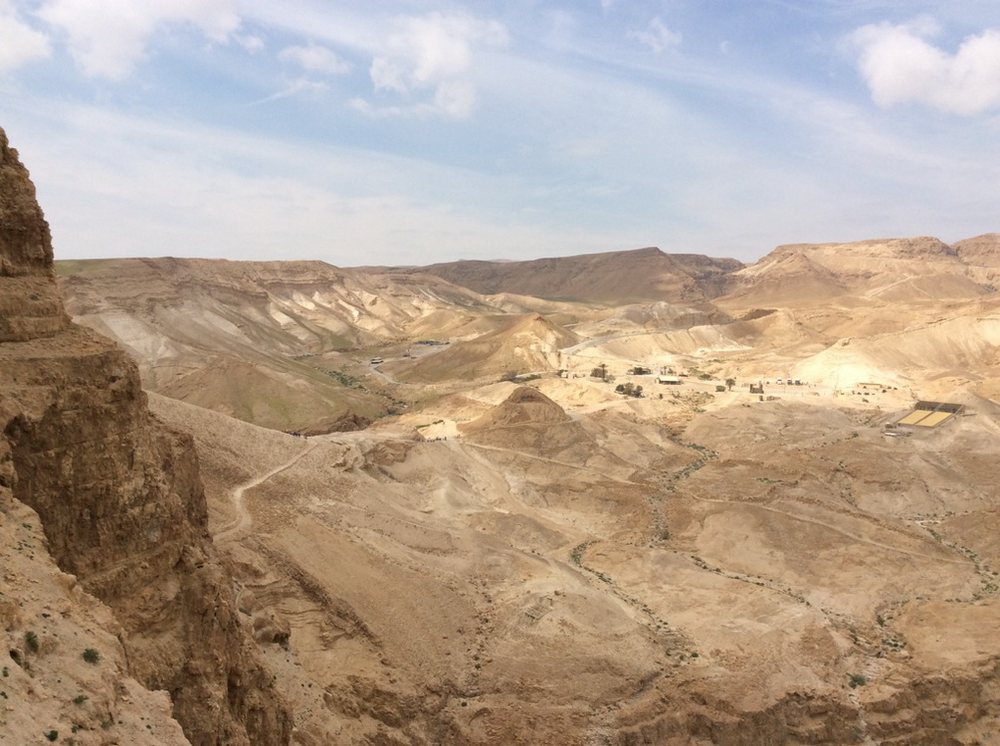
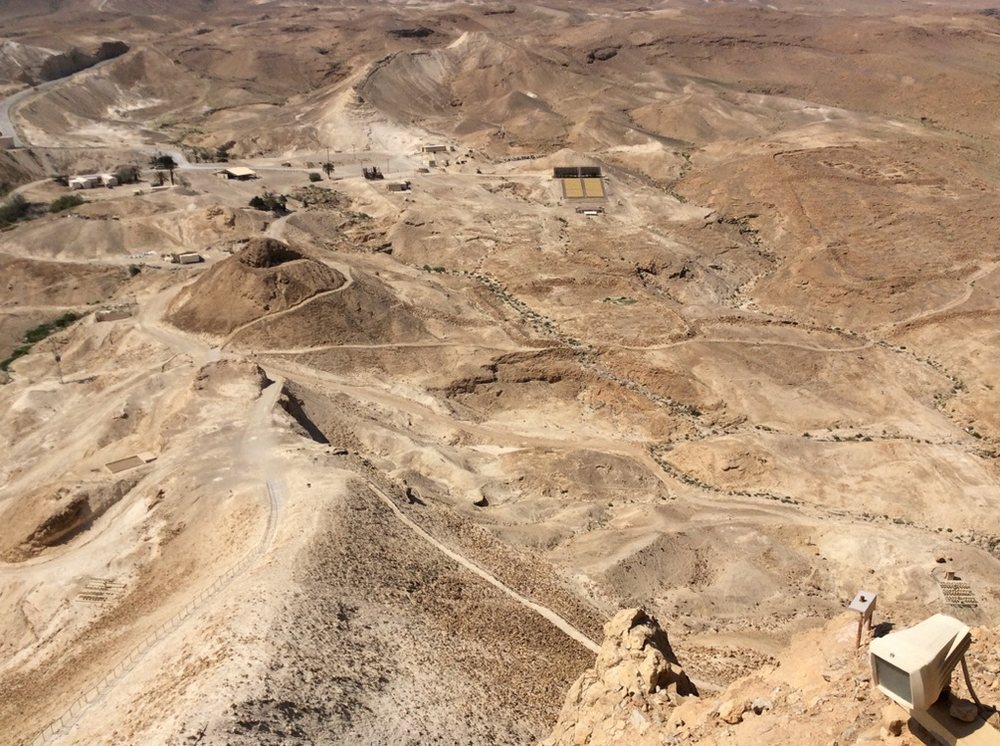
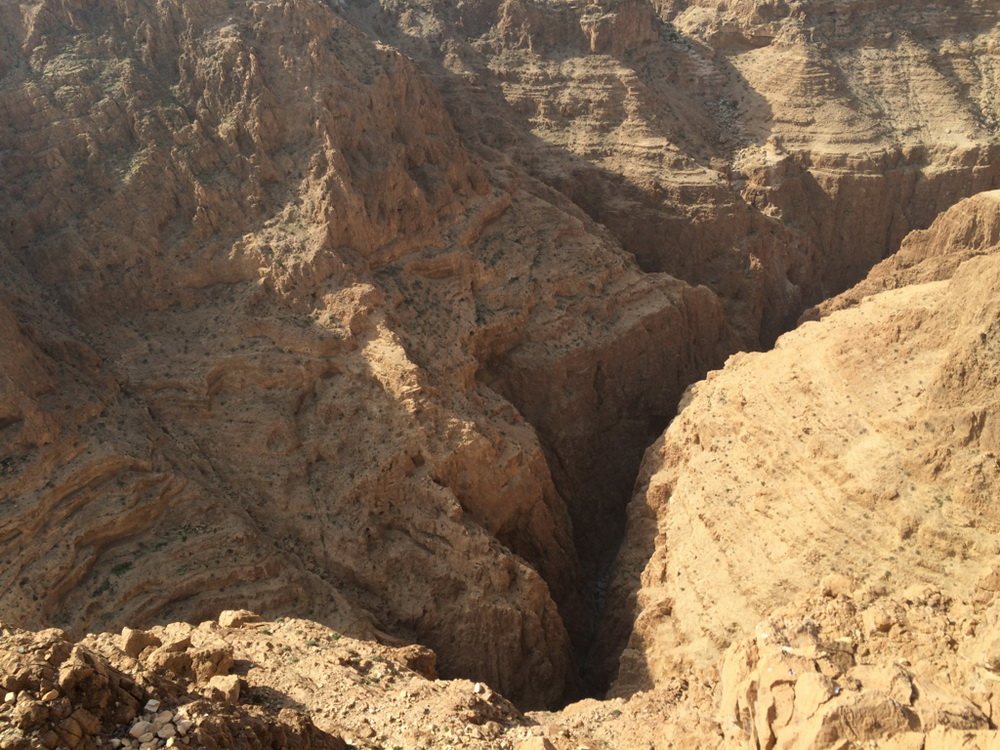
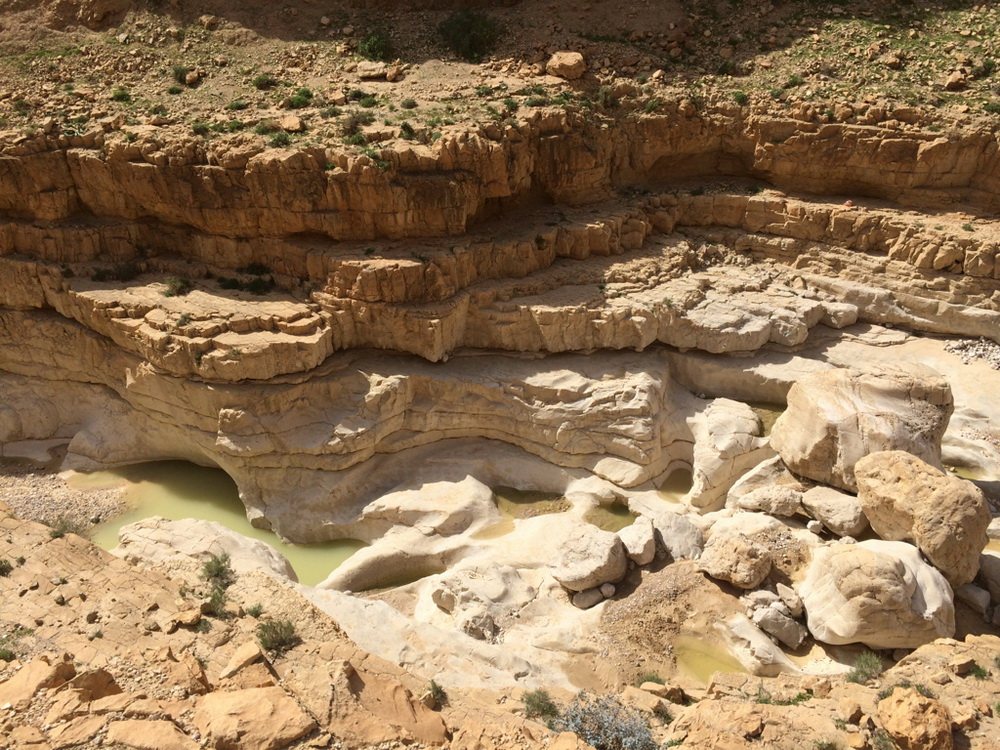
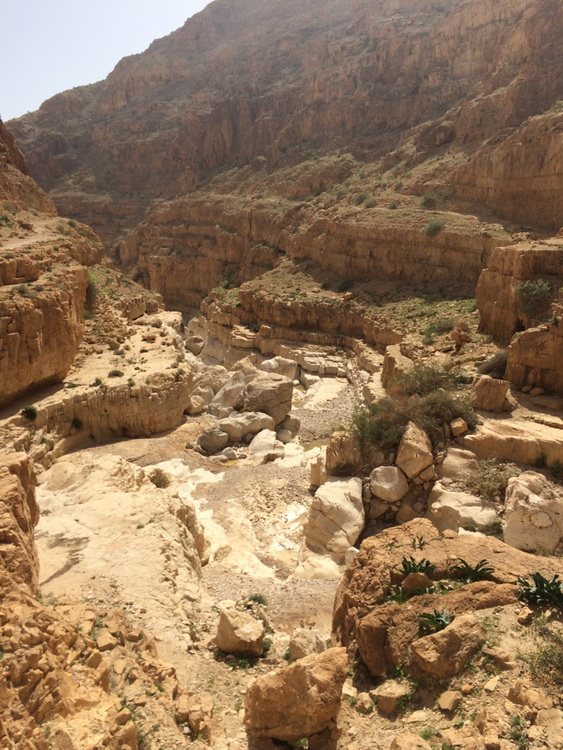
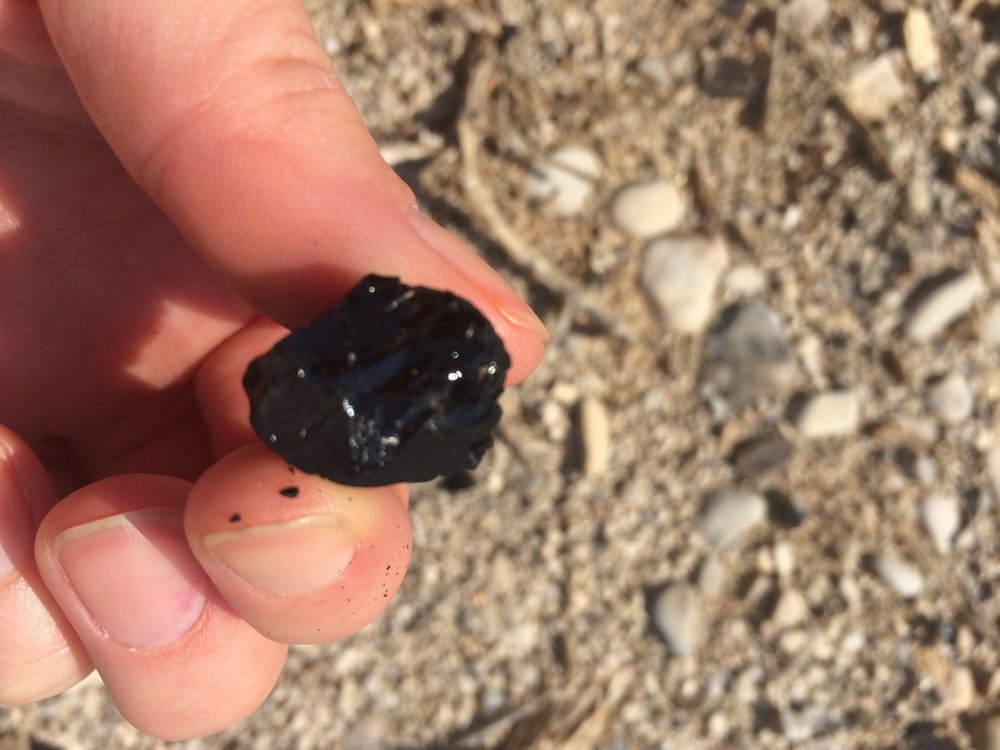
Half an hour east of Jerusalem the rain simply stops. The Judean Desert lies in the rain shadow of the hills — clouds off the Mediterranean spend themselves on the western slopes and arrive here with nothing left — and the road drops through bare chalk and limestone to the lowest dry land on earth, some four hundred and thirty metres below the sea. Masada stands over it: Herod's fortress on a flat-topped rock with the water laid out below, where, according to Josephus, nearly a thousand rebels chose death over Roman capture. For decades Israeli armoured units climbed the Snake Path at night to be sworn in by torchlight with the words Masada shall not fall again; the site has been UNESCO World Heritage since 2001. Below it the Dead Sea is ten times saltier than the ocean and holds you up like a hand under your back. Its mud is sold in jars around the world and sulphur springs run hot along the shore, but the minerals were valuable long before anyone bottled them: this coast grew the balsam that perfumed the ancient world, and blocks of natural asphalt floated up from the seabed, which is why the Romans called it Lacus Asphaltites. Kings came for both — Mark Antony handed Cleopatra the balsam groves and the asphalt rights, and Herod built winter palaces down here where January is warm. The sea is retreating now, roughly a metre a year, and the ground it left behind has opened into thousands of sinkholes: spectacular, and a good reason to walk this shore with someone who knows it. There is far more here than salt. Ein Gedi is a canyon of waterfalls and pools in the middle of the desert, where ibex come down to drink and where David hid from Saul; Einot Tzukim is the largest oasis on the shore; at Qumran a shepherd looking for a lost goat found the Dead Sea Scrolls. Sodom and Gomorrah are placed at the southern end, beneath a mountain of rock salt. The descent from Jerusalem to Jericho is the road of the Good Samaritan, and at Qasr al-Yahud pilgrims still step into the Jordan where John baptised. From the fourth century monks came out here for the silence and never entirely left — Mar Saba and the monastery of St George still hang on their cliffs in the desert canyons, inhabited, and reached on foot. Nor does it end at the water: the same great valley runs south through the Arava to Eilat and the Red Sea, where Solomon's ships are said to have sailed from a harbour at the head of the gulf. Kibbutz hotels, hot springs, date groves, canyon walks and pools you have to earn — this is a region to stay in, not to drive through.
- Suggested length
- 1 day
- Difficulty
- Moderate — Masada by cable car or on foot
- When to go
- October–April; over 40 °C in summer
What we will see
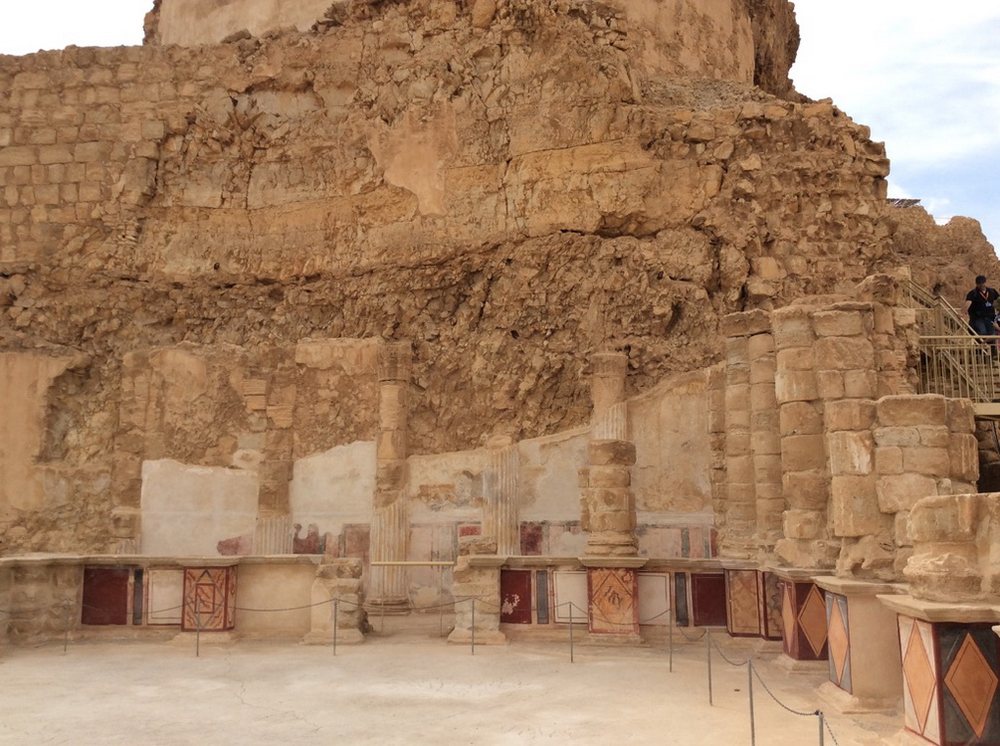
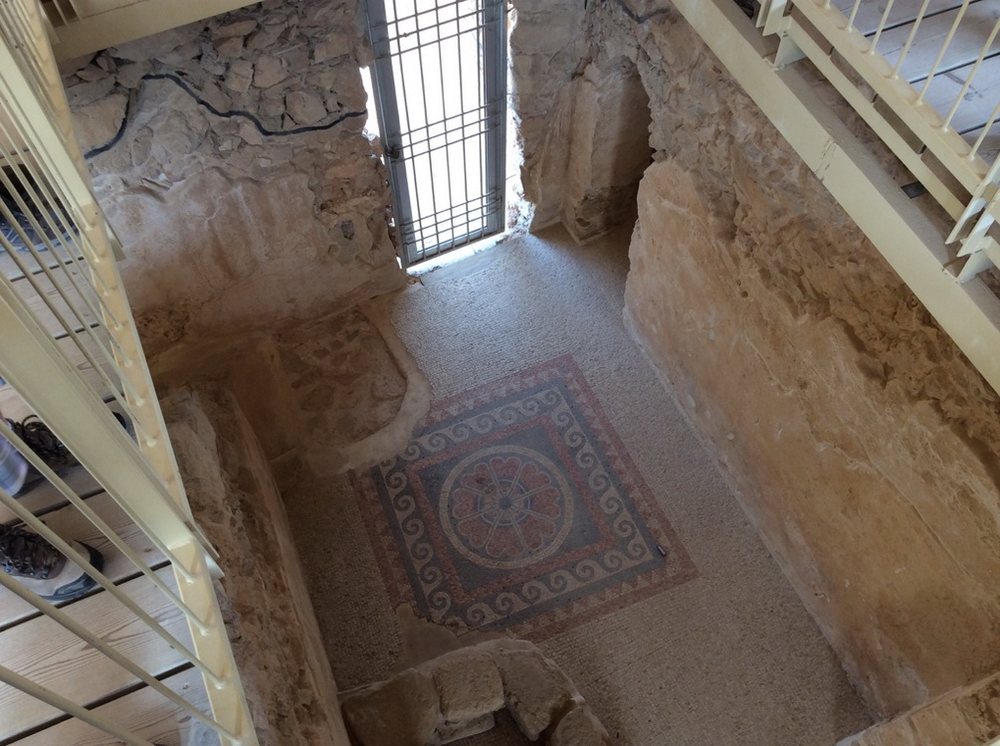
- Masada — A clifftop fortress above the Dead Sea, UNESCO listed. Up by cable car or the Snake Path.
- Ein Gedi — An oasis of waterfalls and pools where David hid from Saul.
- Qumran — The caves where the Dead Sea Scrolls were found.
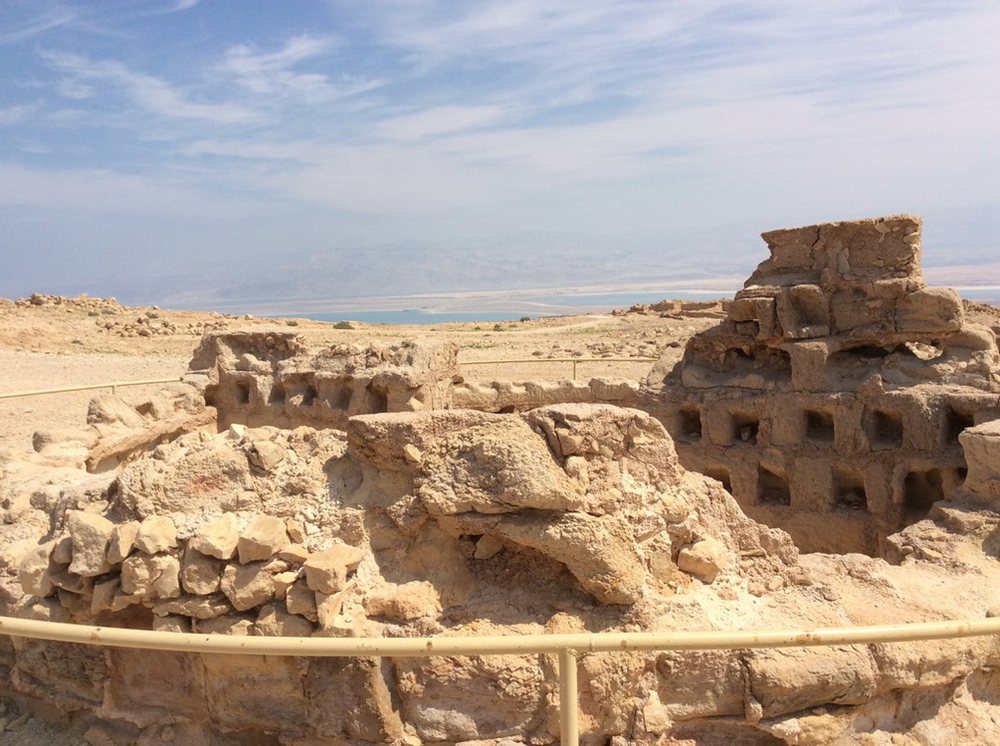
- The Dead Sea — The lowest point on land. You cannot swim in it, but you can lie on it.
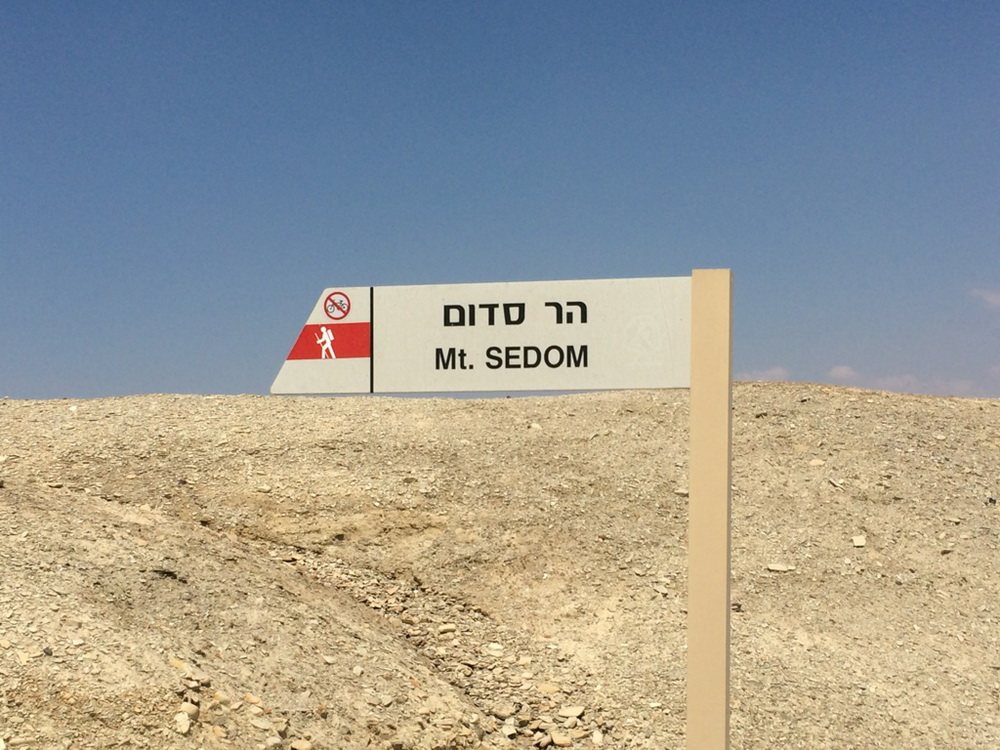
- Mount Sodom — A salt massif where, according to the Bible, Lot's wife looked back.
Photos from the tour
Tell me what draws you here
An approximate date and the number of people is enough to start. I reply within 24 hours with a suggested route and a price — with no obligation.