The Sea of Galilee: from the Gospels to the first kibbutz
A lake you can see straight across — and on its shores lie most of Jesus's ministry and the first kibbutz in the country.
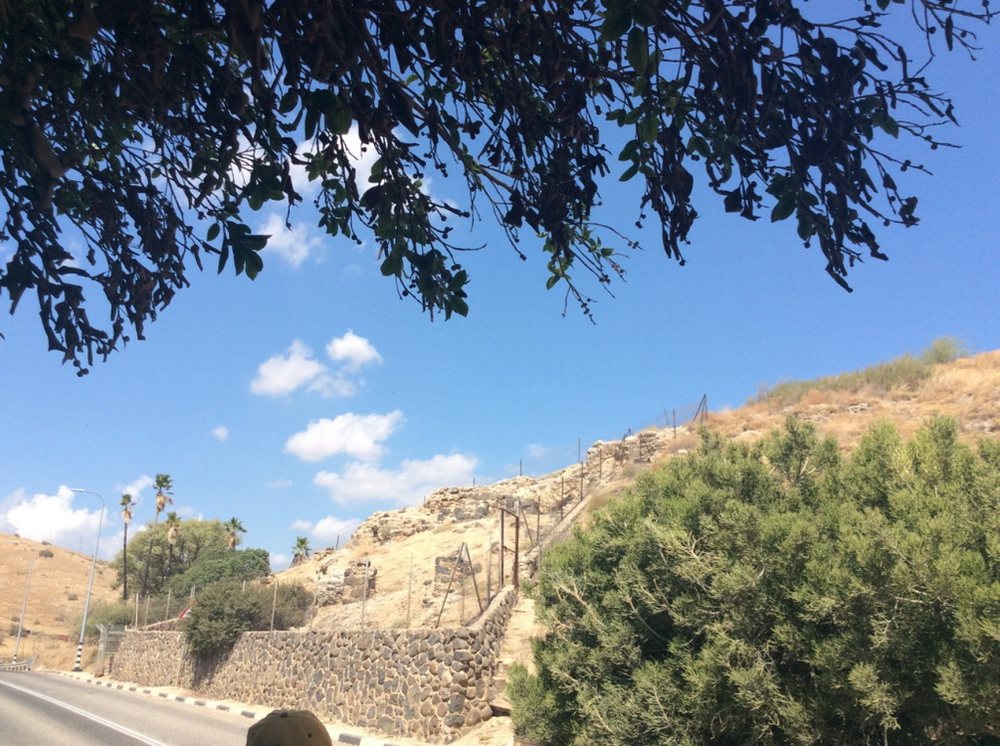
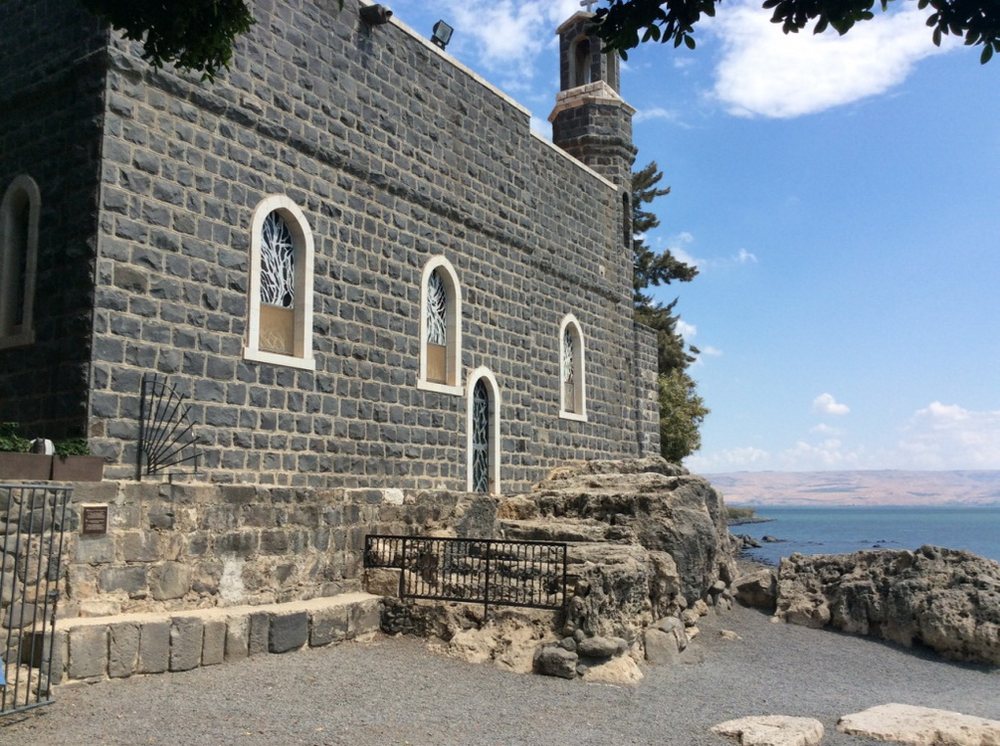
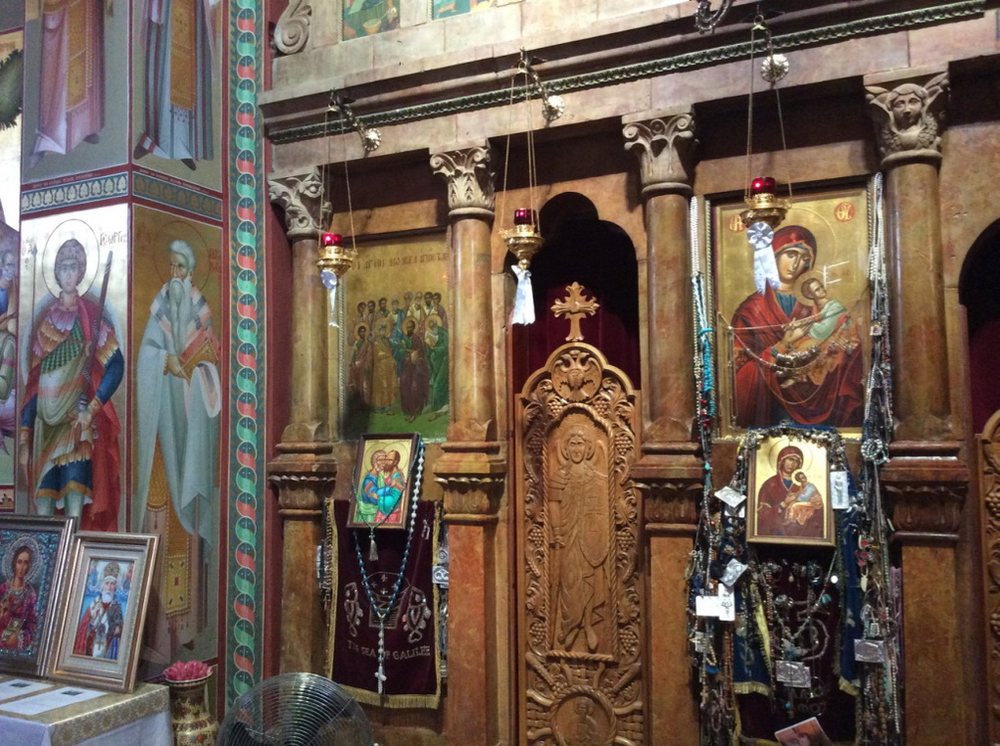
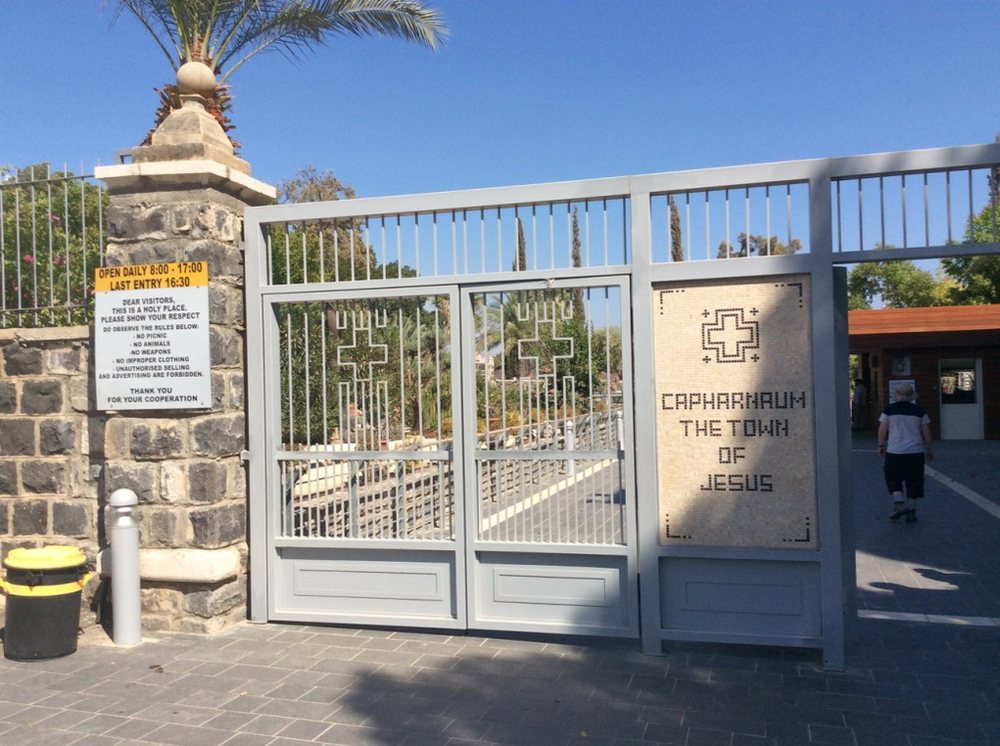
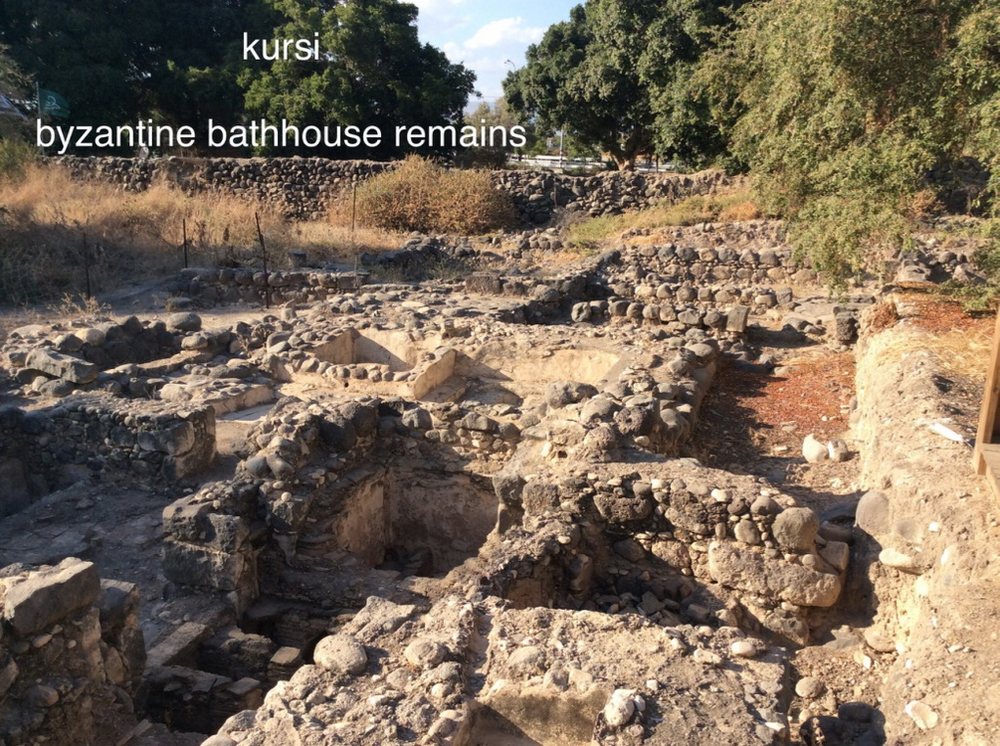
LAKE KINNERET — THE SEA OF GALILEE Drive north from the Dead Sea and the water changes completely: Kinneret is fresh and sweet, ringed with green hills, and at some 210 metres below sea level it is the lowest freshwater lake on earth. You can swim in it, sail on it, and eat fish from it at a table on the shore. For Christian visitors this is the heart of the Gospels — Jesus called his first disciples here and spent most of his ministry within a few kilometres of this shoreline, and the sites sit close enough together that some can be walked between. Capernaum has its synagogue and the house remembered as Peter's. At Tabgha one church keeps a fifth-century mosaic of loaves and fishes, and another, on a rock at the water's edge, marks where the risen Jesus is said to have eaten breakfast with his disciples; the Mount of Beatitudes looks down over all of it. At Magdala, excavation since 2009 has uncovered a first-century synagogue that Mary Magdalene would have known, and at Kibbutz Ginosar you can stand in front of an actual fishing boat from the first century, lifted out of the mud when the lake dropped in 1986. Kursi keeps its Byzantine monastery, and at Yardenit, where the River Jordan leaves the lake, pilgrims come down to the water to be baptised. For the whole picture at once, climb Mount Arbel, where the cliff breaks off sheer above the western shore and the Golan stands opposite. Tiberias, on the shore below, was founded by Herod Antipas and named for the emperor. Observant Jews shunned it at first, because it was built over a burial ground — and then, after the revolts against Rome, it became the centre of Jewish life in the country. The Sanhedrin held its last seat here, the Jerusalem Talmud was compiled here around the year 400, and it was scholars in this town who fixed the vowel signs that every printed Hebrew Bible still uses. The traditional tombs of Maimonides and Rabbi Akiva are visited to this day. A thousand years on, Tiberias was a Crusader capital, and Saladin's siege of its citadel in July 1187 drew the crusader army out to be annihilated at the Horns of Hattin. Half an hour southeast, in the Yarmouk gorge under the Golan, Hamat Gader holds the hot springs of Roman Gadara — a bath complex begun by the Tenth Legion and so celebrated that Eunapius ranked it second in the empire only to Baiae, with Athenians travelling here for the cure. The water is still hot. At the southern end, where the River Jordan runs back out of the lake, Degania was founded in 1909 by seven pioneers of the Second Aliyah — labourers on the neighbouring farm at Kinneret who asked for a plot to work on their own terms — and became the first kibbutz in the country, the mother of all the rest. A Syrian tank halted at its gate in 1948 still stands where it stopped. The poet Rachel lies in the cemetery along the shore, in sight of the water she wrote about. Beside Degania at Tzemach, the restored Ottoman station remembers the line that once ran from Haifa along this shore towards Damascus, and the Australian cavalry charge that took it before dawn in September 1918. Two of the ten cities of the Decapolis face each other across this water: Hippos-Susita on the Golan ridge to the east, and Beit She'an half an hour south, the only one of the ten that stood west of the River Jordan, until an earthquake levelled it on a January morning in 749. Its columns still lie where they fell. Above it stands Belvoir, Kochav HaYarden, the best-preserved Crusader castle in the country, five hundred metres up with the whole Jordan Valley beneath it; its garrison held out for eighteen months after Hattin, long after the kingdom that built it was gone.
- Suggested length
- 1–2 days
- Difficulty
- Easy to moderate
- When to go
- I guide year-round — each season here shows you something the others don't.
What we will see
- Nazareth — Basilica of the Annunciation — The largest Christian church in the Middle East, built over Mary's house.
- Cana of Galilee — Where Jesus performed his first miracle, turning water into wine.
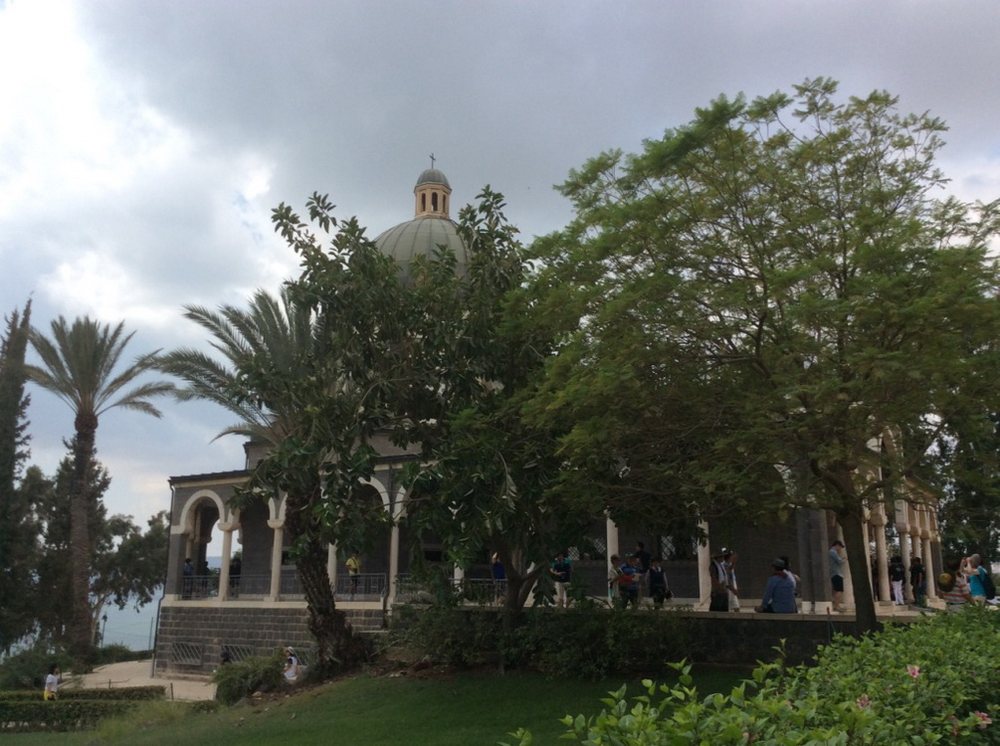
- Mount of Beatitudes — The setting of the Sermon on the Mount, overlooking the whole Sea of Galilee.
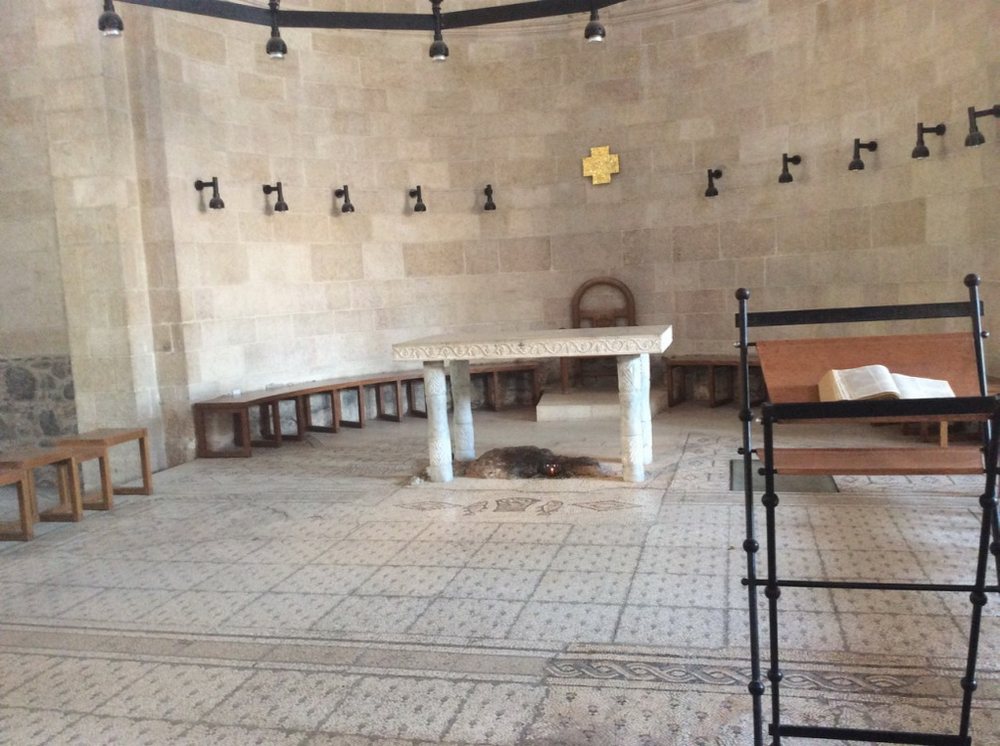
- Tabgha — The Church of the Primacy of St Peter and of the Multiplication, with a 4th-century mosaic.
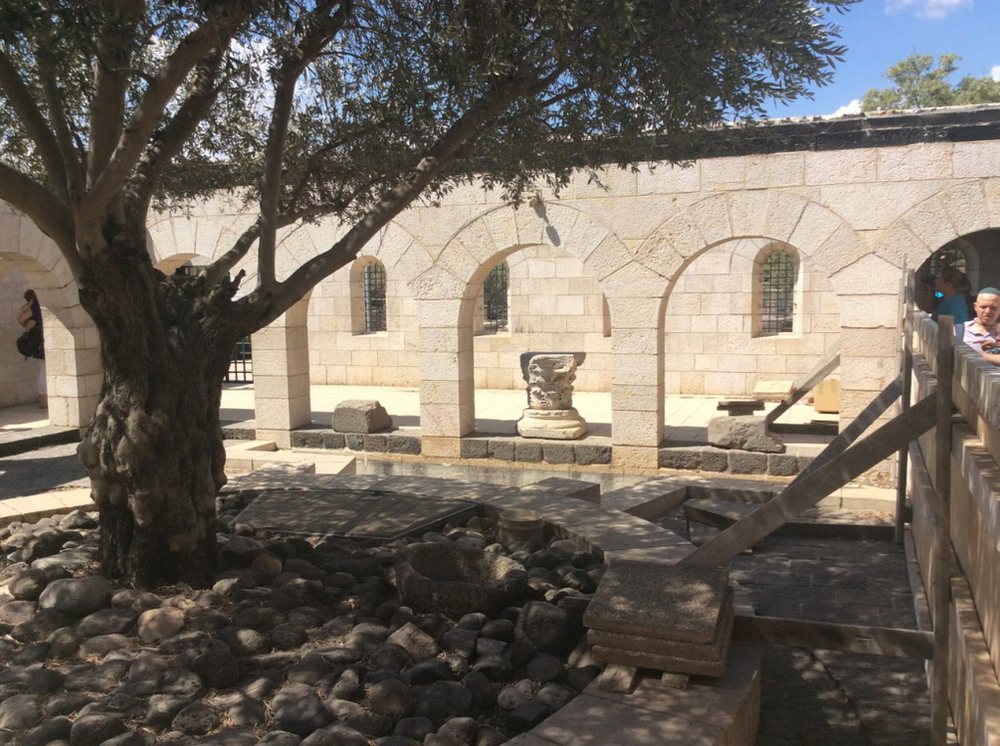
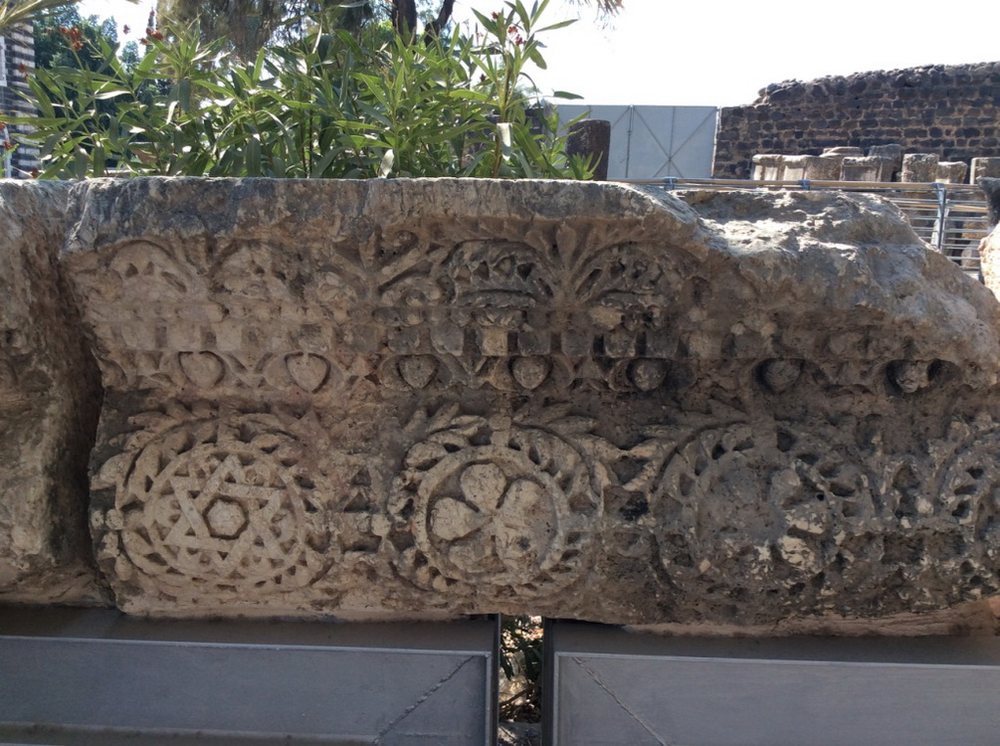
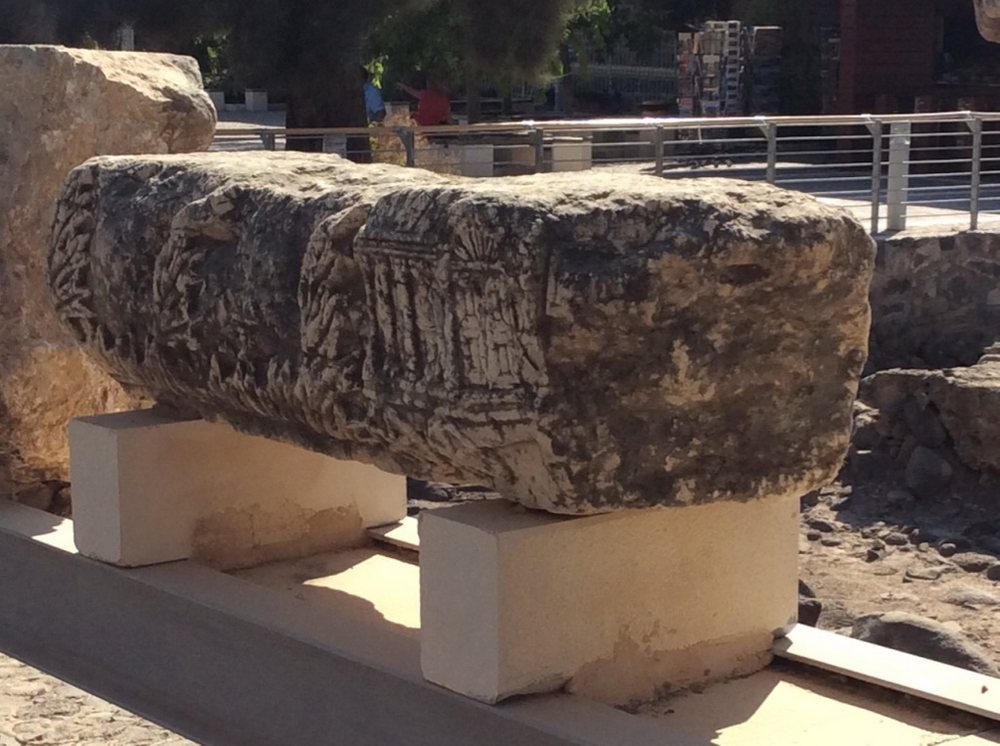
- Capernaum — Jesus's own village — a synagogue and the house tradition ascribes to St Peter.
- Magdala — A recently uncovered synagogue from Jesus's time and the birthplace of Mary Magdalene.
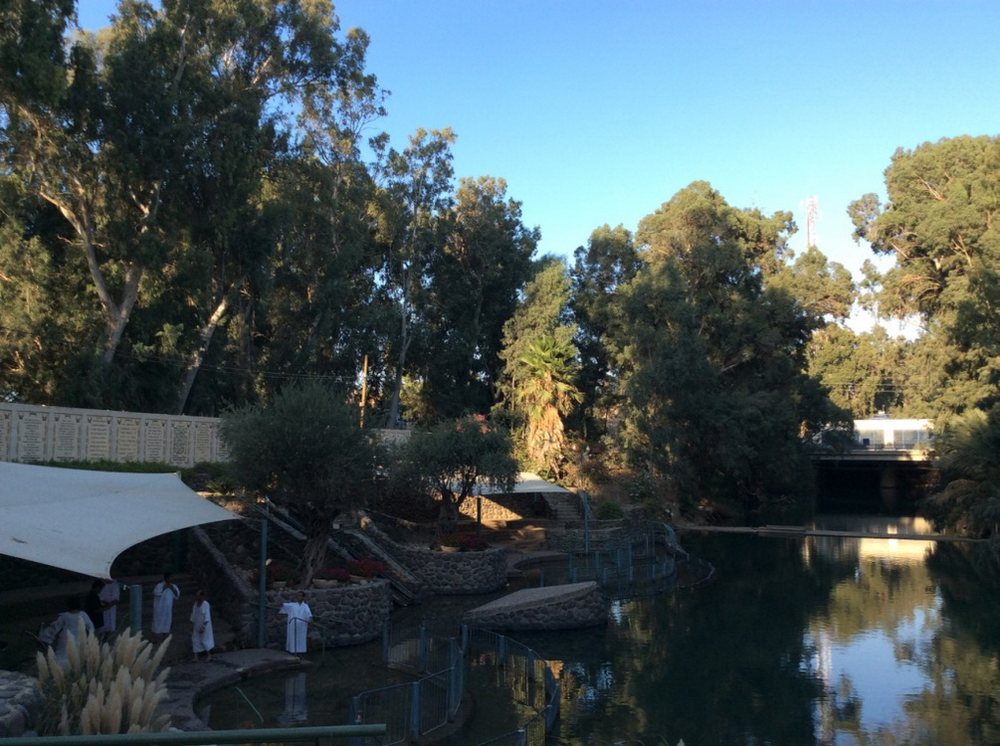
- Yardenit — The baptismal site on the Jordan, still used by pilgrims from around the world.
- Kibbutz Ginosar — A museum holding a preserved 1st-century fishing boat, the so-called Jesus Boat.
Photos from the tour
Tell me what draws you here
An approximate date and the number of people is enough to start. I reply within 24 hours with a suggested route and a price — with no obligation.